LTA/CHAMolecular Sieve Membranes
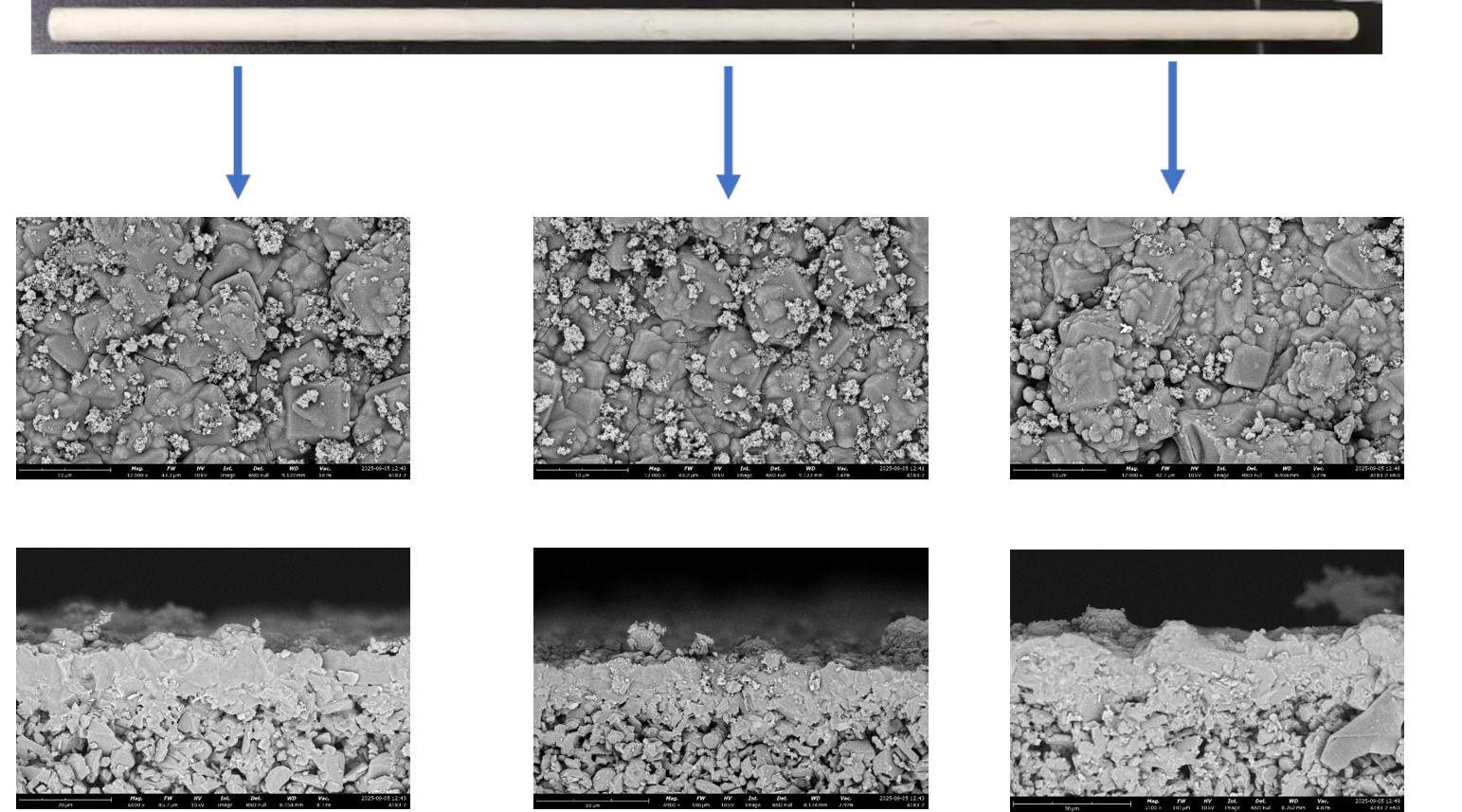
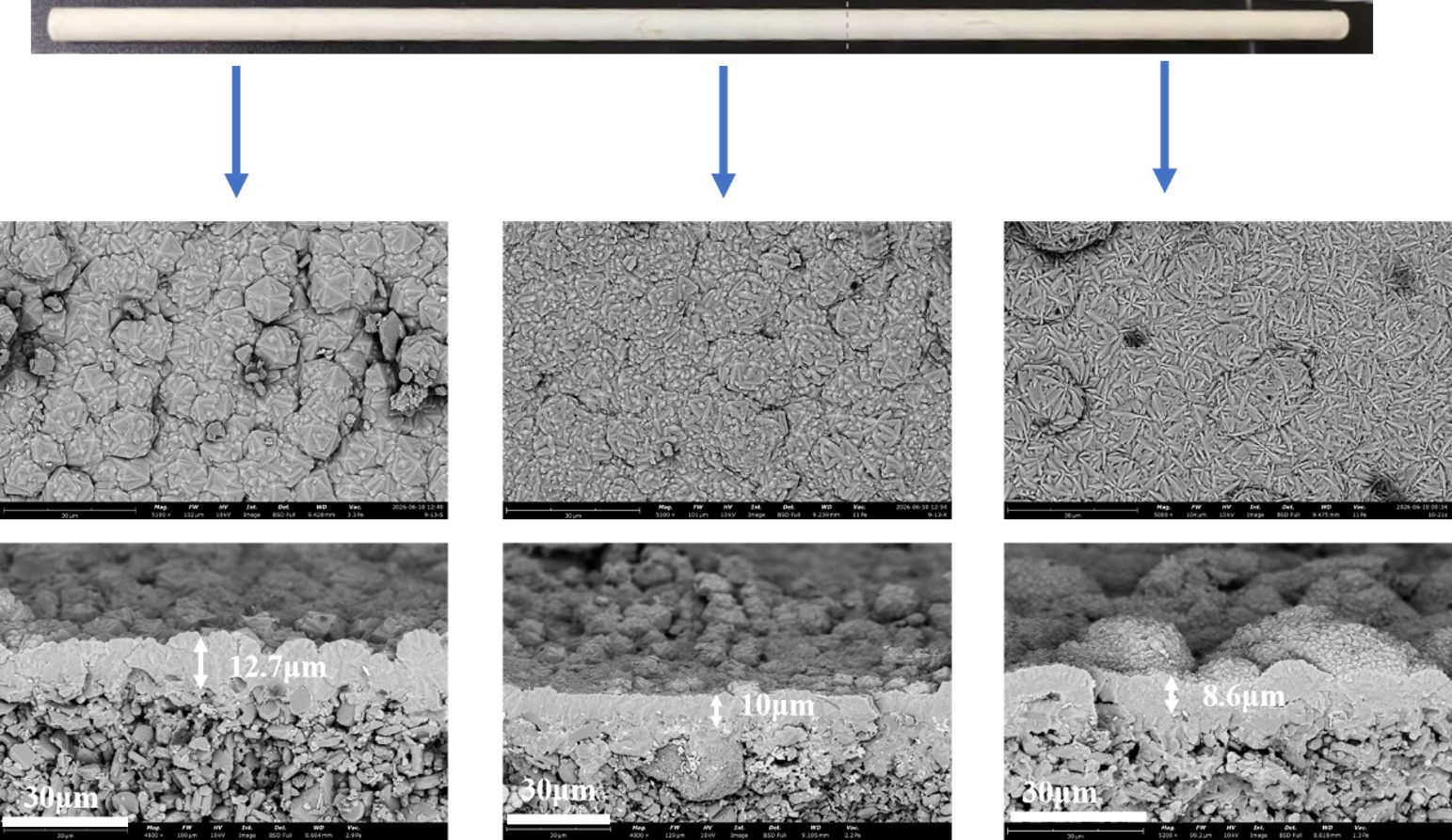
LTA and CHA molecular sieve membranes are inorganic membrane materials built on ordered microporous frameworks, with pore apertures of approximately 0.41 nm (LTA) and 0.38 nm (CHA), respectively. These membranes combine excellent thermal and chemical stability with superior molecular-sieving performance. LTA membranes exhibit pronounced hydrophilicity and are ideally suited to dehydration separation and gas purification. CHA membranes feature distinctive cage-like channels and shape-selective catalytic properties, excelling in low-carbon hydrocarbon separation and catalytic conversion. Through precise synthesis control, these high-efficiency separation materials achieve high membrane density and selectivity - addressing the inefficiency and high energy consumption of conventional separation technologies. Industrial deployments include natural gas purification and organic-solvent dehydration; they serve as critical platforms for cross-disciplinary research to enhance separation performance and drive intelligent development in separation technology.

Performance Snapshot
LTA Pore Aperture
0.41 nm
LTA framework topology
CHA Pore Aperture
0.38 nm
CHA cage-like channels
Ethanol/Water alpha
> 10,000
CHA membrane, reference
Core Engineering Features
Advanced technological implementations defining the next generation of membrane performance.
LTA Hydrophilicity for Dehydration
LTA molecular sieve membranes exhibit pronounced hydrophilicity and ordered ~0.41 nm micropores - enabling high-flux, high-selectivity dehydration of organic solvents such as ethanol and methanol via pervaporation or vapor permeation.
CHA Shape Selectivity and Catalysis
CHA membranes feature distinctive cage-like channel architecture with ~0.38 nm apertures and shape-selective catalytic properties - suited to low-carbon hydrocarbon separation and catalytic membrane conversion processes.
Thermal and Chemical Stability
The inorganic zeolite framework provides robust thermal and chemical stability under demanding process conditions - supporting reliable long-term operation in industrial dehydration and gas-purification environments.
Precision Synthesis Control
Controlled crystallization and membrane-layer densification yield high membrane density and permselectivity - delivering energy-efficient separation as an alternative to conventional distillation and adsorption trains.
Process Architecture
Module Architecture and Dehydration Mechanism
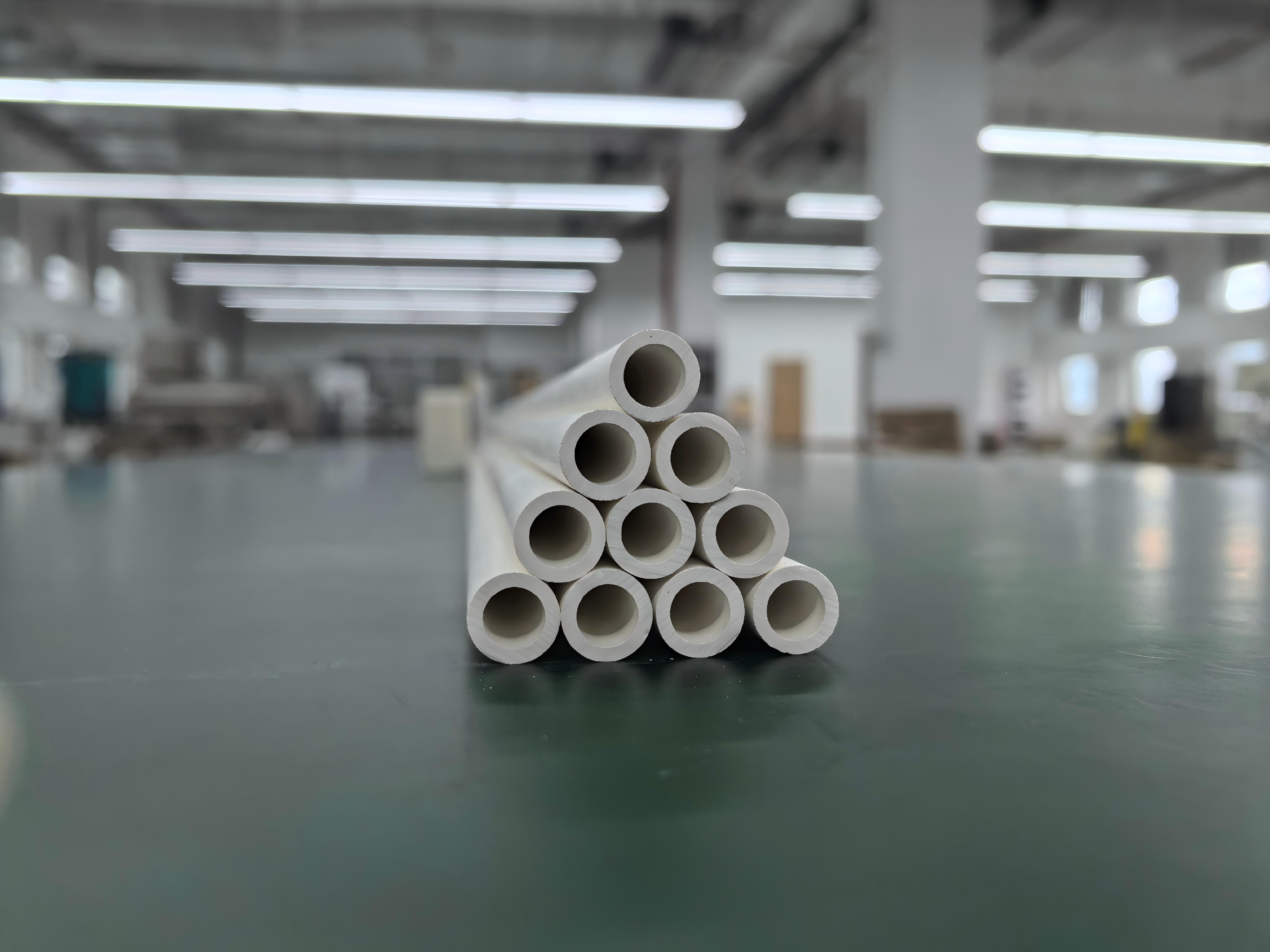
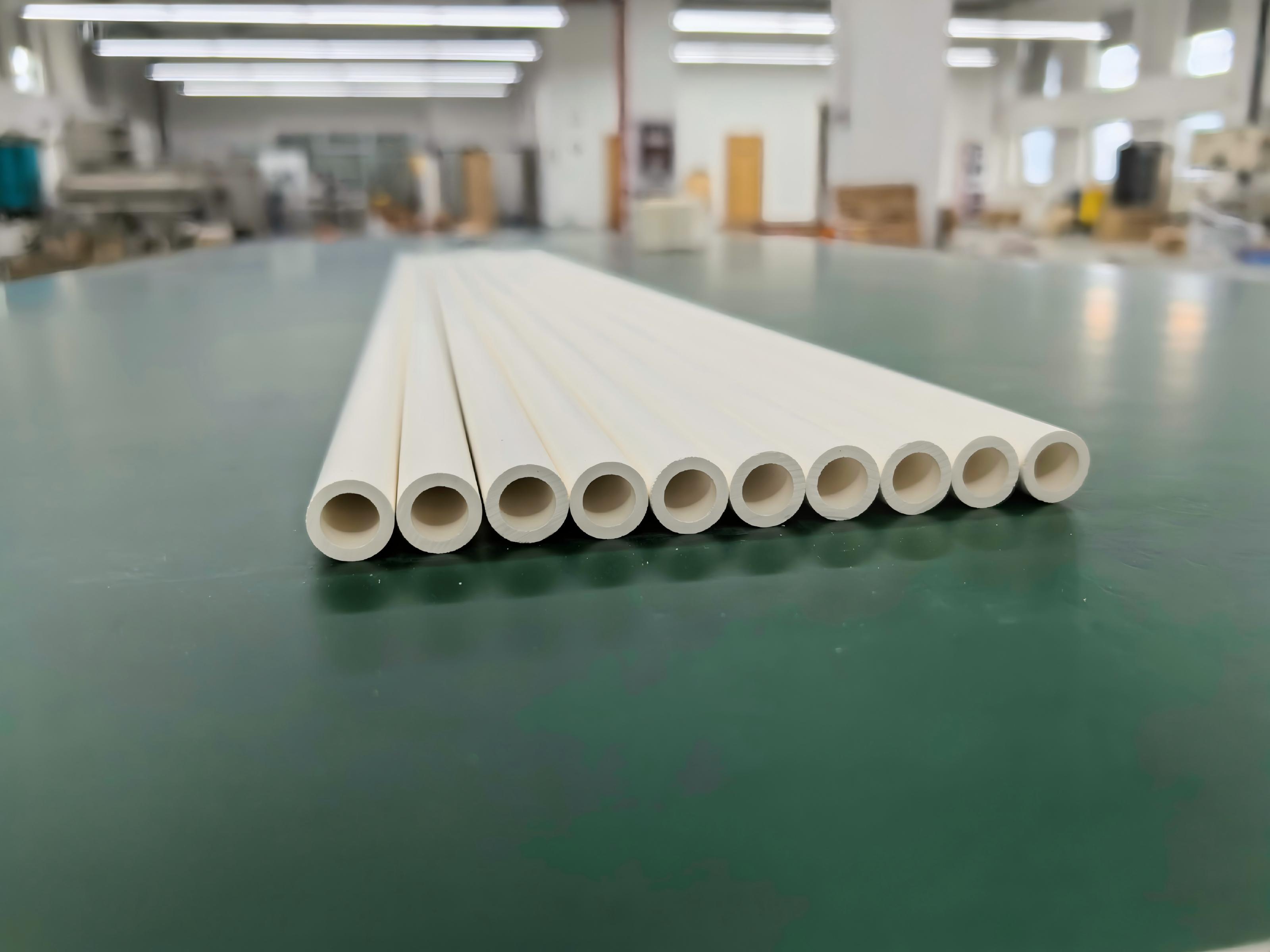
Separation is governed by molecular sieving through ordered LTA or CHA micropore networks. Single-channel tubular modules (8 / 12 mm ID/OD, 500-1000 mm length) provide 0.037 m2 membrane area per element, with installed areas of 0.7-1.9 m2 and packing densities of 50-80 m2/m3 - deployed across organic-solvent dehydration systems including ethanol/water and methanol/water separations.
- check_circleLTA: ~0.41 nm pore aperture; hydrophilic dehydration separation
- check_circleCHA: ~0.38 nm cage-like channels; shape-selective catalysis
- check_circleSingle-channel tubular format; 0.037 m2 per element; packing density 50-80 m2/m3

Technical Specifications
Standard specifications for LTA and CHA molecular sieve membranes under reference dehydration test conditions.
| Parameter | Value |
|---|---|
| Membrane dimensions (ID / OD / length), mm | 8 / 12 / 500-1000 |
| Membrane dimensions (ID / OD / length), mm | 8 / 12 / 500-1000 |
| Number of channels | Single channel |
| Number of channels | Single channel |
| Membrane area per element, m2 | 0.037 |
| Membrane area per element, m2 | 0.037 |
| Installed membrane area, m2 | 0.7-1.9 |
| Installed membrane area, m2 | 0.7-1.9 |
| Packing density, m2/m3 | 50-80 |
| Packing density, m2/m3 | 50-80 |
| Water flux | ~1.2 kg/m2/h |
| Water flux | ~1 kg/m2/h |
| Ethanol/water selectivity | > 5,000 |
| Ethanol/water selectivity | > 10,000 |
| Applicable systems | Organic solvent dehydrationethanol/water separationmethanol/water separation |
Technical FAQ & Resources
Common engineering inquiries and essential documentation for integration planning.
LTA membranes (~0.41 nm, hydrophilic) are optimized for dehydration separation and gas purification - delivering higher water flux (~1.2 kg/m2/h) with ethanol/water selectivity exceeding 5,000. CHA membranes (~0.38 nm, cage-like channels) offer even higher ethanol/water selectivity (> 10,000) and excel in low-carbon hydrocarbon separation and shape-selective catalytic conversion.
Primary application areas include ethanol/water and methanol/water dehydration, along with broader organic-solvent dehydration processes. Industrial use cases also encompass natural gas purification and related gas-separation trains.
Both LTA and CHA membranes are supplied in single-channel tubular format (8 / 12 mm ID/OD, 500-1000 mm length), providing 0.037 m2 membrane area per element, installed areas of 0.7-1.9 m2, and packing densities of 50-80 m2/m3.
Precise synthesis control yields high membrane density and selectivity, enabling energy-efficient molecular-sieving separation that reduces the inefficiency and high energy consumption associated with conventional distillation and adsorption-based processes.